
You need one ISBN for each separately available edition and product format that uses an ISBN—not one ISBN for the underlying manuscript and not one new ISBN for every retailer. A paperback and hardcover are two products, so they use two ISBNs. Add a widely distributed EPUB and an audiobook, and the plan may require […]

An ISBN lookup tool searches bibliographic, commercial, library, or retailer data associated with a specific book product. The right tool depends on the question: use Bowker Bookwire to check Books In Print data, a public search tool for a quick title match, ISBNDB or another licensed API for structured data, WorldCat for library holdings, and […]

An audiobook is a different publication product from the paperback, hardcover, or ebook and must not reuse any of those ISBNs. Whether the audiobook needs its own ISBN depends on how it is published and distributed. Some platforms accept or assign proprietary identifiers; book-industry, library, distributor, physical-media, or wider metadata workflows may require or benefit […]

An ISBN is an international, product-level identifier used across the book supply chain. A Google Books volume ID is Google’s opaque identifier for a volume record in Google Books and its API. A GGKEY is a Google-generated catalog identifier that partners can request when a book has no ISBN or EAN; Google says GGKEYs are […]

You need a different ISBN when you publish a distinct book product: a different format or binding, a new edition with substantial content changes, another language, a large-print version, or a separately available digital format. You do not need a new ISBN simply because the same unchanged product is sold through another retailer, printed by […]

An ISBN identifies a specific book product—its publisher, edition, language, and format—inside the publishing supply chain. A UPC identifies a general retail trade item in point-of-sale and inventory systems. Most ordinary books need an ISBN, not a separate UPC. The ISBN is converted into the EAN-13 barcode commonly printed on the back cover. A separate […]
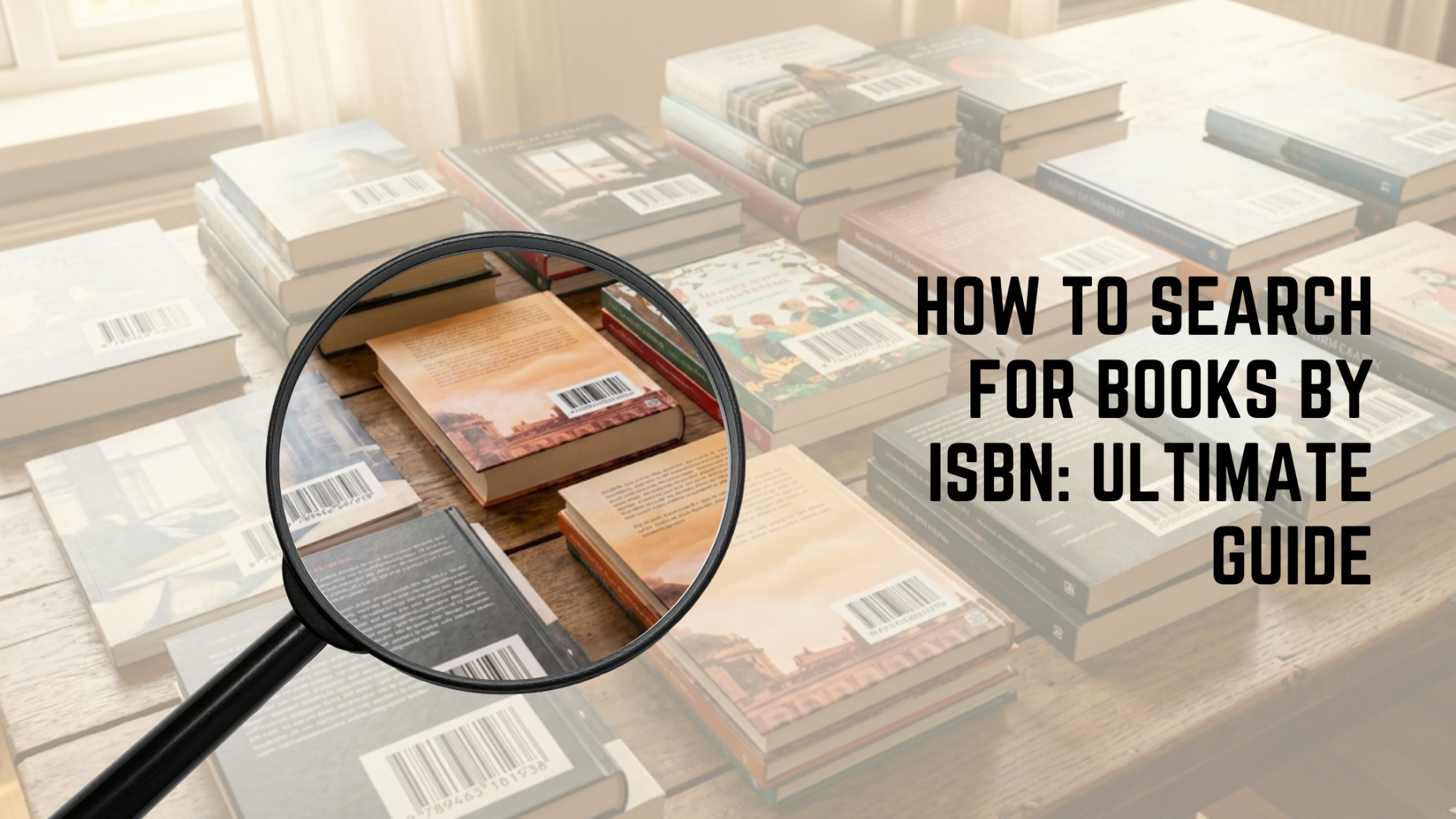
Have you ever tried to find a specific textbook, a rare first edition, or a replacement copy of a childhood favorite, only to be overwhelmed by thousands of search results? Titles can be duplicated, and covers change with every reprint. If you want to find the exact book you are looking for, you need to […]
Buy your own ISBN when you want the publisher or imprint named in the ISBN record, expect to use compatible printers or distributors beyond one platform, or are building a catalog that needs a controlled edition and metadata system. A platform-assigned ISBN can be the rational choice when the edition will stay inside that platform, […]
The main disadvantage of a free ISBN is not that it makes a book amateur. It is that the number is supplied under a platform or publishing service’s rules. That provider normally controls where the ISBN may be used, how the publisher or imprint appears, and how the associated metadata is managed inside its workflow. […]
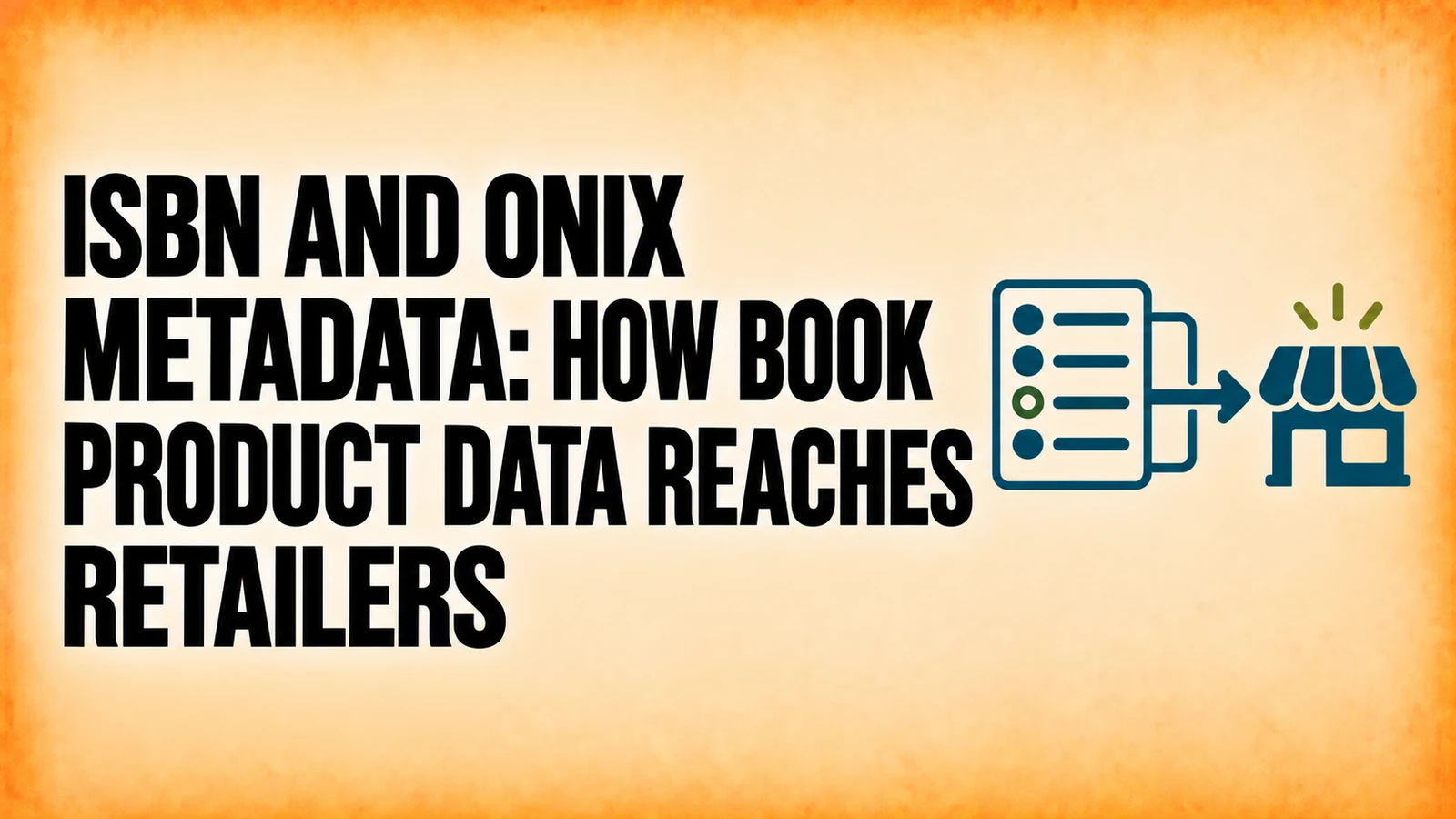
An ISBN identifies a specific book product, while ONIX carries the information retailers need to describe, list, price, and sell it. These systems work together, but they do different jobs. For publishers and self-publishing authors, the key is to assign the correct ISBN to each format and keep the related metadata accurate at its source. […]
