Have you ever tried to find a specific textbook, a rare first edition, or a replacement copy of a childhood favorite, only to be overwhelmed by thousands of search results? Titles can be duplicated, and covers change with every reprint. If you want to find the exact book you are looking for, you need to stop searching by words and start searching by numbers.
Specifically, the ISBN.
Conducting an ISBN search is the secret weapon of students, librarians, and book collectors. It cuts through the noise and delivers precise results. But what exactly is an ISBN, and how do you use it to find the best deals? This ultimate guide covers everything you need to know.
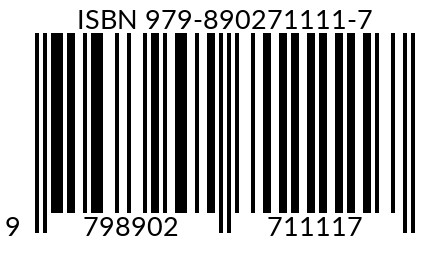
ISBN stands for International Standard Book Number. It is a unique numeric commercial identifier assigned to each separate edition and variation of a publication.
Think of it like a fingerprint or a Social Security number for a book. If a publisher releases a hardcover, a paperback, and an eBook of the same novel, each one gets a completely different ISBN. This is why searching by ISBN is so powerful: it guarantees you get the specific format you want.
Since 2007, ISBNs have been 13 digits long. Before that, there were 10 digits. A 13-digit ISBN (e.g., 978-0-306-40615-7) is broken down into five parts:
Textbook publishers release new editions almost every year, often with minor changes. If your professor assigns the “3rd Edition,” buying the “4th Edition” by mistake could cost you hundreds of dollars extra, or leave you with the wrong page numbers. By typing the specific ISBN from your syllabus into a search bar, you ensure you are buying the exact book required, often allowing you to find cheaper international editions or used copies.
Serious collectors know that a “First Edition, First Printing” is valuable, while a “Book Club Edition” is not. While the ISBN alone doesn’t always guarantee a first printing (you have to check the copyright page for that), it is the fastest way to filter out later reprints, movie tie-in covers, and mass-market paperbacks.
If you are an author, assigning an ISBN to your book ensures it is listed correctly in global databases like “Books in Print.” This allows bookstores and libraries to order your book easily.
Where should you input these numbers? Here are the best platforms:
This is the only website directly connected to data in the official Books In Print ISBN database. After you add book data to your ISBN, the information will show up automatically on Bookwire.
This is the gold standard for price comparison. When you perform an ISBN search on BookFinder, it scans inventory from Amazon, eBay, AbeBooks, Biblio, and dozens of other marketplaces simultaneously. It organizes results by price (including shipping), making it the best tool for finding the cheapest copy.
Do you want to borrow the book rather than buy it? WorldCat connects to the catalogs of over 10,000 libraries worldwide. Enter the ISBN, and it will tell you the nearest library that has that specific edition on the shelf.
Great for data geeks and researchers. It provides metadata about the book, including publisher details, binding, and weight. It is often used by developers building book apps, but the search function is free for individuals.
The giants of the industry. While good for buying, be careful: Amazon’s search algorithm sometimes prioritizes the “most popular” result over the “exact ISBN match.” Always verify the product details section to ensure the ISBN matches your query.
If you have the physical book in hand and want to find another copy (or sell it), here is where to look:
Pro Tip: If you are looking at an older book (pre-1970), it will not have an ISBN. In this case, you must search by Title, Author, and Publisher Year.
If you have a book published between 1970 and 2006, it might only have a 10-digit number. Modern search engines accept both. However, if you are using a very old database, you may need a converter.
If you type in an ISBN and get zero results, check for these common errors:
Whether you are hunting for a bargain textbook or cataloging a personal library, mastering the ISBN search is an essential skill. It eliminates guesswork and connects you directly to the exact material you need. Next time you are looking for a book, ignore the cover art and look for the number, it’s the only thing that never lies.
No. If two books have the same ISBN, it is a printing error by the publisher. However, once a book goes out of print, some unscrupulous publishers have been known to “recycle” ISBNs, though this is against international standards.
No. The eBook (ePub), the Kindle version (Mobi), the hardcover, and the paperback should all have different ISBNs. This allows retailers to track sales of specific formats.
Technically, no, but they are related. The ISBN is the number itself. The barcode is the graphical representation of that number that allows a scanner to read it. The barcode on a book is specifically called an EAN-13 barcode.