10 Disadvantage of Using a Free ISBN in 2026

Disadvantage of Using a Free ISBN

In 2026, the self-publishing market will be more saturated than ever before. With the rise of AI-assisted writing flooding Amazon with millions of new titles annually, the only true currency an indie author has left is professional credibility.

Many new authors are tempted by the “free ISBN” option provided by platforms like Amazon KDP or IngramSpark. It seems like a no-brainer: why pay $125 (or your local equivalent) when the platform gives you one for free? The answer lies in the free ISBN hidden costs, a series of long-term restrictions and branding penalties that can cap your book’s potential before it even hits the shelves.

Here are the 10 major disadvantages of using a free ISBN in 2026.
1. You Are Not the Publisher of Record

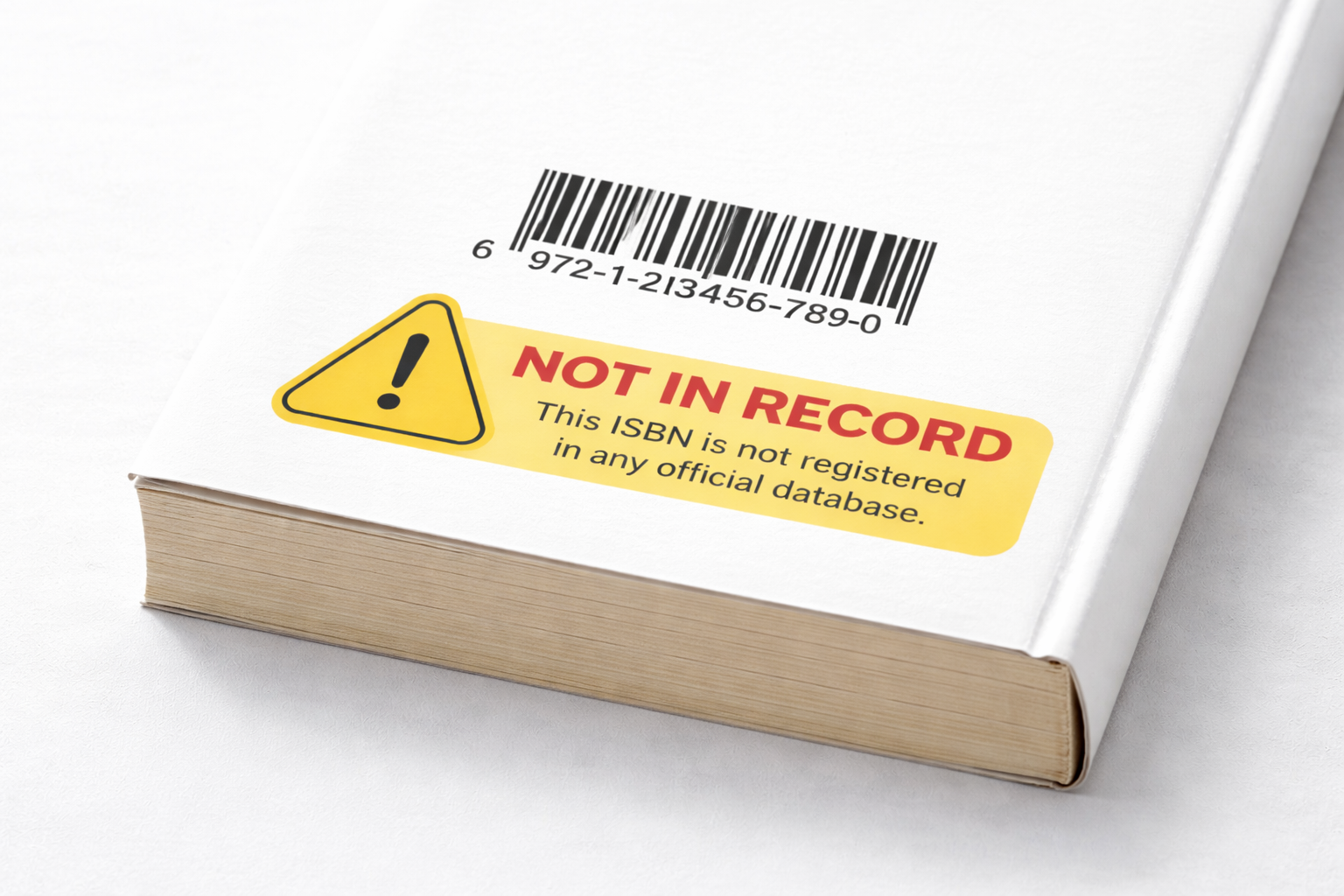
Not the Publisher of Record

When you use a free ISBN, the platform (Amazon or Ingram) registers themselves as the publisher, not you. Instead of your custom imprint name (e.g., “Starlight Press”), retailers and databases will list the publisher as “Independently Published” or “Indy Pub.”

  • The 2026 Impact: Readers and reviewers are becoming increasingly savvy at spotting “amateur” productions. The “Independently Published” tag is an immediate signal that the book was self-published with zero budget, which can bias potential buyers against the quality of the content.

2. The “Walled Garden” Distribution Lock

A free ISBN assigned by Amazon KDP cannot be used on IngramSpark, and vice versa.

  • If you publish a paperback on Amazon with their free ISBN, you cannot take that same book file to IngramSpark to reach libraries and bookstores.
  • You are forced to publish a second version of the book on IngramSpark with a different ISBN. This creates two separate product records for the same book in the global database, fracturing your sales data and confusing potential buyers.

3. Brick-and-Mortar Bookstores Will Reject You

Physical bookstores rarely stock books with KDP-assigned ISBNs. When a bookseller looks up a book and sees the prefix belongs to Amazon (their direct competitor), they will almost universally refuse to order it.

  • Even if you use IngramSpark’s free ISBN, the “Indy Pub” imprint signals that the book is likely non-returnable or low quality, making store owners hesitant to use their limited shelf space for it.

4. Library Cataloging Barriers

Library Cataloging Barriers

Libraries use complex acquisition systems (like OverDrive or Baker & Taylor) that rely on clean metadata. Books with “Independently Published” as the publisher are often filtered out of automatic acquisition lists. To get into libraries in 2026, you need to look like a legitimate vendor, which requires your own block of ISBNs.

5. You Don’t Own the Metadata

The ISBN is the unique social security number for your book. Whoever owns the ISBN controls the data associated with it. If you use a free ISBN, you cannot change certain metadata fields later. If you want to change the title, page count significantly, or author name, you are often stuck. If you owned the ISBN, you would have direct control over the record via Bowker (US) or Nielsen (UK).

6. The Re-Publishing Nightmare (Loss of Reviews)

If you eventually realize that the free ISBN is hurting your brand and decide to buy your own later, you cannot simply “swap” them. You must unpublish the current version of the book and republish it as a brand-new product.

  • The Cost: You lose your sales ranking and, in many cases, you risk detaching your hard-earned reviews from the book page. You are essentially starting your business over from zero.

7. Inability to Sell Rights

In 2026, hybrid author careers are common, where indie authors sell foreign rights or print-only deals to traditional publishers. If a foreign publisher wants to license your book, having a platform-locked ISBN complicates the metadata transfer. A messy rights situation can sometimes kill a deal before it starts because the “supply chain” of the book is tied to a specific retailer.

8. Format Inflexibility

Free ISBNs are usually format-specific and strictly enforced. If you use a KDP free ISBN for a paperback, you cannot use it for a hardcover. While you need different ISBNs for different formats anyway, using free ones results in a disjointed catalog where your paperback is published by “Independently Published” and your Hardcover is published by “Ingram Spark”, creating a messy, unprofessional brand presence.

9. Reduced Asset Value

Your book is an asset. If you ever wanted to sell your publishing company or your catalog of books to another entity, you do not technically own the “keys” to the distribution if you used free ISBNs. You own the copyright to the text, but you don’t own the market identifier. This devalues your catalog in an asset sale.

10. The Financial Reality of “Free ISBN Hidden Costs”

While you save money upfront, the “hidden costs” appear in the form of lost opportunity.

  • Lost Sales: From bookstores that wouldn’t stock you.
  • Lost Prestige: From reviewers who skipped you because of the “Independently Published” tag.
  • Rebranding Fees: The cost of hiring a formatter to redo your cover and interior files when you finally decide to buy your own ISBNs and republish.

Summary

In the competitive market of 2026, a free ISBN is a short-term gain for a long-term loss. It signals to the industry that you are a hobbyist rather than a professional publisher. If you intend to make a career out of writing, owning your ISBNs is the first step in owning your business.

Frequently Asked Questions

  1. If I use a free ISBN now, can I switch to my own purchased ISBN later?
    No, you cannot simply “swap” the number. An ISBN is permanently linked to the specific version of the book record created at that time. To switch to your own ISBN later, you must unpublish the current version of your book and republish it as a brand-new product. This often results in the loss of your sales history, search ranking, and sometimes your customer reviews. This is one of the highest free ISBN hidden costs, the cost of having to start over.

  2. Do I need to buy an ISBN for my eBook?
    Technically, most major platforms (like Amazon KDP and Barnes & Noble) do not require an ISBN for eBooks; they assign their own internal tracking number (like an ASIN on Amazon). However, if you want to distribute your eBook to libraries (via OverDrive) or smaller retailers, an ISBN is often required. If you choose to use a free ISBN for an eBook on a platform like Draft2Digital, the same “Publisher Name” issues apply, you will be listed as “Draft2Digital” rather than your own press.

  3. Is there any scenario where a free ISBN is the right choice?
    Yes. If you are writing a memoir strictly for family and friends, or if you are a hobbyist with zero intention of building a commercial author career or selling in bookstores, a free ISBN is perfectly fine. The “hidden costs” discussed in this article primarily affect authors seeking commercial success, brand building, and wide distribution.

  4. Will readers actually notice who the “Publisher” is?
    Casual readers might not, but industry gatekeepers do. Book bloggers, librarians, bookstore owners, and media professionals check the “Publisher” field to determine the legitimacy of a book. If they see “Independently Published,” they know immediately that the book did not pass through a traditional gatekeeper, which may lead them to scrutinize the cover and editing much more harshly.

Share This Post

More To Explore

We Can Help

drop us a line and keep in touch

Cyber Monday Offer End In

Hours
Minutes
Seconds